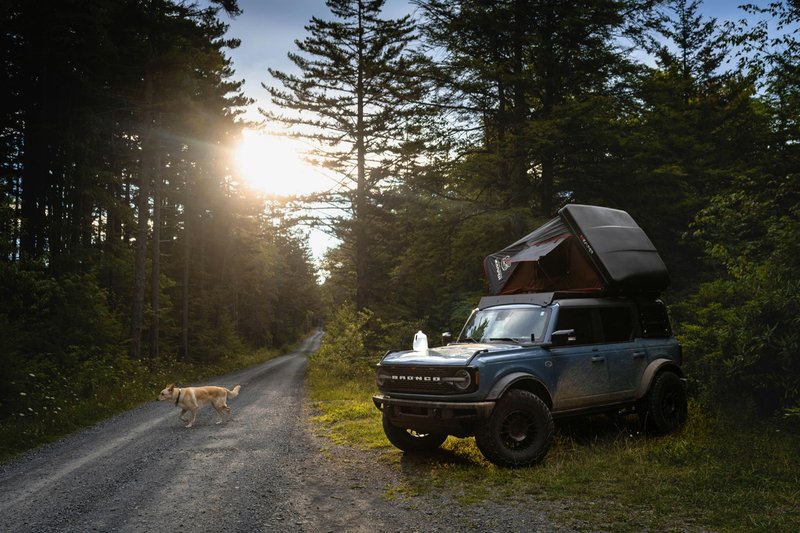
Choosing between dispersed camping and a developed campground isn't really about which one is "better." It's about what kind of experience you're after. Both have real advantages, and the right choice depends on your comfort level, your gear, and what you want out of your trip.
Here's an honest comparison to help you decide.
CostDispersed camping is free. No reservation fees, no nightly rates, no processing charges. You drive onto public land, find a spot, and camp.
Developed campgrounds typically run $15 to $50 per night depending on the agency and amenities. Popular spots in national parks can hit $35 or more, and that's before the reservation fee. Over a week-long trip, that adds up fast.
If you camp frequently, the savings from dispersed camping are significant. A weekend warrior spending $30/night at campgrounds is paying over $3,000 a year. Dispersed camping cuts that to zero.
AmenitiesThis is where developed campgrounds have a clear edge. You get:
- Running water and flush toilets (or at least vault toilets)
- Picnic tables and fire rings
- Designated parking and level tent pads
- Sometimes showers, dump stations, and camp hosts
Dispersed camping has none of that. You bring your own water, dig your own cathole, and find your own flat spot. For some people that's a dealbreaker. For others, it's the whole point.
Solitude and PrivacyIf you've ever been packed into a campground loop where your tent is 20 feet from your neighbor's generator, you already know the appeal of dispersed camping. Out on BLM or national forest land, your nearest neighbor might be a mile away. Or nonexistent.
Developed campgrounds, especially popular ones, can feel more like outdoor parking lots than wilderness experiences. You're sharing space with RVs, families, and sometimes late-night partiers. Some people love the social energy. Others find it defeats the purpose of being outside.
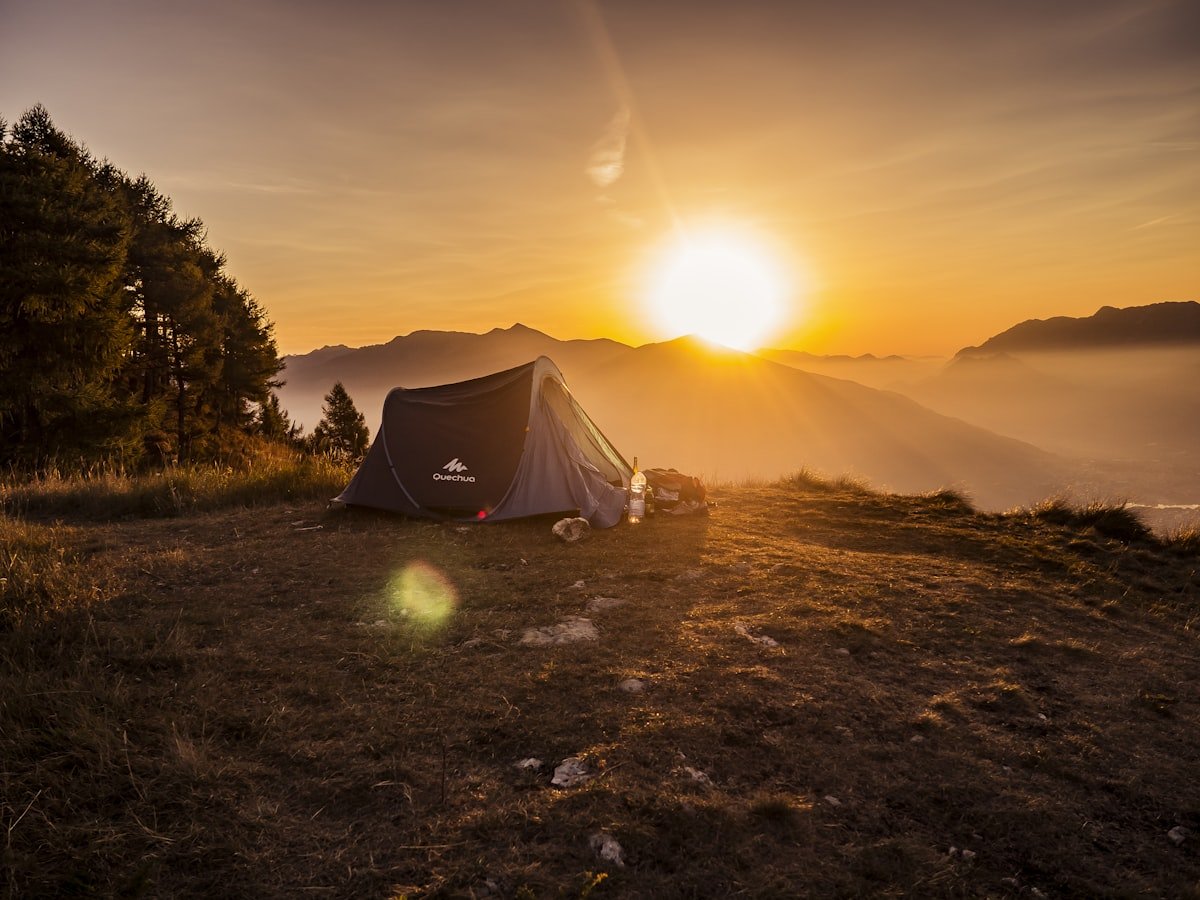 Convenience and Accessibility
Developed campgrounds win on convenience. The site is ready when you arrive. You know exactly where to park, where to set up, and where the bathroom is. Many are accessible by sedan on paved roads.
Dispersed camping often requires higher clearance vehicles, dirt or gravel roads, and some scouting to find the right spot. You might drive down three forest roads before finding one that works. That exploration is part of the fun for experienced campers, but it can be stressful for beginners, especially if you arrive after dark.
Reservations and AvailabilityPopular campgrounds book up months in advance. Trying to get a summer weekend at a national park campground is an exercise in frustration. You're refreshing Recreation.gov at 7:00 AM hoping to beat thousands of other people to the same 30 sites.
Dispersed camping has no reservations. If a spot is open, it's yours. During peak season you might find popular dispersed areas occupied, but there's always another road, another clearing, another ridge. The supply of spots is essentially unlimited.
SafetyDeveloped campgrounds offer a sense of security: camp hosts, other campers nearby, and usually cell service. If something goes wrong, help isn't far.
Dispersed camping puts more responsibility on you. You're often out of cell range, far from help, and dealing with unimproved roads. That said, the actual risk is low if you're prepared. Bring enough water, tell someone your plans, carry basic recovery gear, and check conditions before you go.
Which Should You Choose?Choose a developed campground if:
- You're brand new to camping and want a low-stress first experience
- You need amenities like water, toilets, and showers
- You're traveling in a large RV that needs hookups
- You want a guaranteed, reservable spot for a specific date
Choose dispersed camping if:
- You value solitude and privacy over convenience
- You want to camp for free
- You're comfortable being self-sufficient
- You hate fighting for reservations
- You want to explore and find your own perfect spot
And there's no rule that says you have to pick one forever. Plenty of campers mix both styles depending on the trip. Use a campground when you want easy access to a trailhead or when you're traveling with less experienced friends. Go dispersed when you want to disappear into the woods for a week.
If you're ready to try dispersed camping, Dispersed can help you find spots near wherever you're headed. Over 25,000 free and low-cost sites across BLM, USFS, and NPS land, all in one searchable map.